|
 |
 |
 |
 |
 |
 |
 |
High Tech Modified Corvette Driven by Quadriplegics Head Movement |
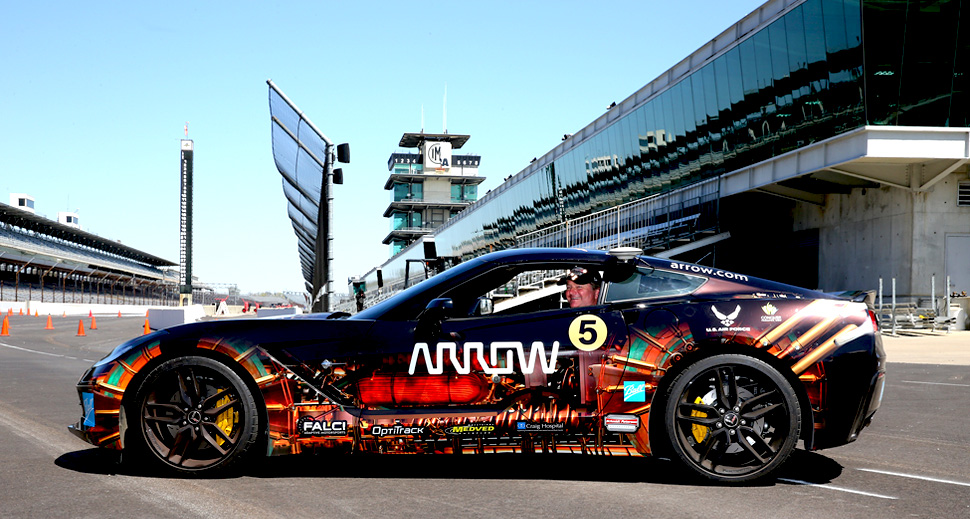
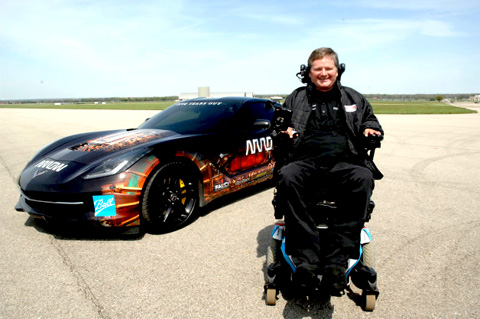
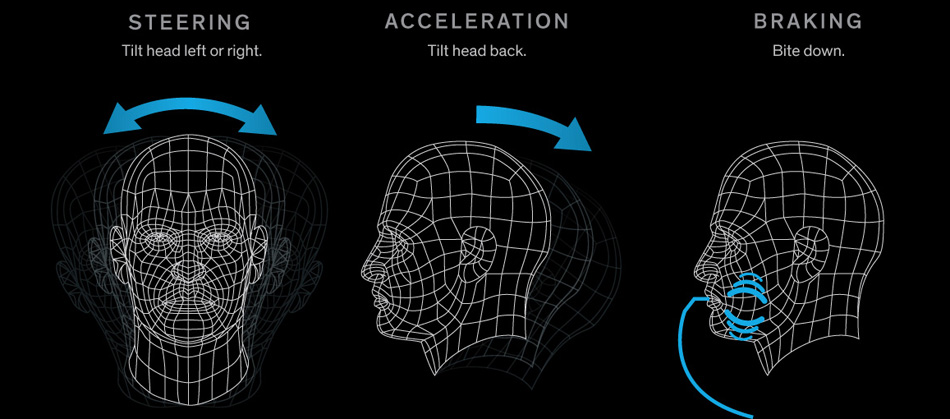
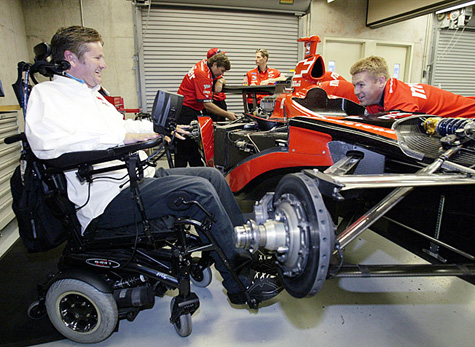
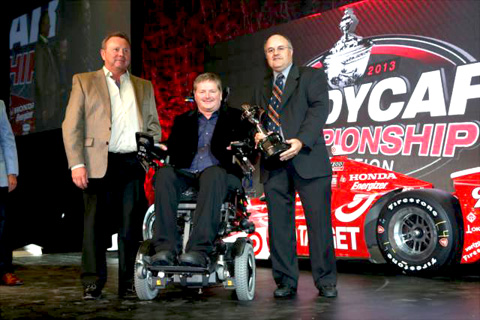
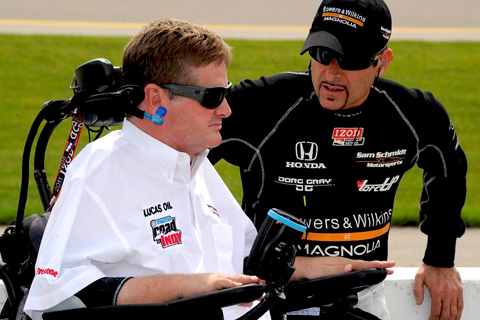
Sam Schmidt, who has been paralyzed below the shoulders since slamming into a wall 14 years ago. He always believed he’d never drive again. In May of 2014 on a Sunday before a Indy Car Racing event, he was back in the drivers seat of a Corvette. He is able to control the high tech vehicle by shaking his head and gnashing his teeth. Before his Spinal Cord Injury Schmidt was a promising driver with 27 Indy Racing League starts when he went into the wall at Walt Disney World Speedway in Orlando, Florida on January 6, 2000. He knew he’d never race again, but one year later he returned to motorsports with his own team, now known as Schmidt Peterson Motorsports. He’s enjoyed a measure of success as a team owner, but driving seemed out of the question. Until a year ago, when the folks at Arrow Electronics called to ask if he’d like to get behind the wheel again. Schmidt said he signed on “without hesitation.” Arrow Electronics, which does work in medical, and consumer electronics, among other fields, had some experience with getting paralyzed drivers on the road again. Last year, the company built a Chevrolet Corvette that paraplegic former pro driver Mike Bauer could drive using only hand controls. That got them thinking about what it would take to get a quadriplegic driving, said Chakib Loucif, Arrow’s VP of engineering. |
 |
||
|
|||
 |
|
|||||
|
|||||
We know the system works, because Schmidt has completed 25 laps–a total of 75 miles–after having tried it out in a simulator. He says driving with his head “felt pretty natural.” Schmidt was able to drive on the track at the Indianapolis Motor Speedway during Pole Day, a week before the Indy 500. Just how many laps he does and at what speed remain to be seen, Loucif said. A backup driver with his own controls will ride alongside Schmidt in case anything goes wrong, and the pit crew can shut the car down remotely if necessary. Schmidt expected his first drive in the SAM car to be exciting, but said it felt totally “normal,” something “people do every day.” Beyond getting one man back on a track, Loucif said the SAM Project could one day improve mobility for those with paralysis and other injuries. He can see such a system being applied to home and workplace automation and elsewhere so people can “regain their freedom.” “It opens the door,” he said. That remains to be seen, of course, but there is reason to be cautiously optimistic. Mike Collins, who writes a column about driving for New Mobility magazine, said the project has “obviously got some utility” but “I do always take these developments with a grain of salt until they’re out on the market and have really been tested.” Moving a prototype technology to the commercial stage takes a lot of complexity and a lot of faith, he said, in part because there aren’t a lot of backers to finance the work. And the vehicles outfitted with such technology often aren’t affordable to people with disabilities. Still, the idea of seeing Schmidt circle a track again is exciting, and, as Schmidt said, revolutionizing. |
|||||
 |
 |